 English
 中文简体
中文简体 日本語
日本語 русский
 عربى
عربى Український
 Español
 Français

米割り機はどのように機能しますか?
多くの文化で愛されているスナックであるせんべいは、魅力的で正確なプロセスを通じて製造されています。クラッカーの種類(例:せんべい、あられ、餅きりぬき)によってバリエーションがありますが、せんべい機の基本原理は、原材料の準備、成形、焼き/トースト、調味料、包装です。これらのマシンがどのように動作するかという専門的な側面を詳しく見ていきましょう。
1。原材料の準備: 風味と食感の基礎
旅は米粉から始まり、多くの場合もち米(もちごめ)または非もち米(うるちまい)で、最終的な食感に大きな影響を与えます。
-
洗浄と浸漬: 生の米粒を徹底的に洗浄して不純物を除去し、その後、特定の時間浸漬して柔らかくします。このステップは、効率的な粉砕と適切なデンプンの糊化にとって非常に重要です。
-
粉砕: 浸した米を粉砕して細かい小麦粉またはペーストにします。これには、スラリーを作成するための湿式粉砕(水を使用)、または乾式粉砕とその後の水との混合が含まれる場合があります。挽きの細かさはクラッカーの口当たりに影響します。
-
蒸し/こね(生地の準備): 多くの伝統的なせんべいでは、米ペーストを蒸してでんぷんをゼラチン化し、粘着性のある柔軟な生地を形成します。次に、この生地を細心の注意を払って混練し、均一な粘稠度と弾力性を実現します。産業用機械は、これを大規模に実現するために特殊なミキサーや押出機を採用しており、多くの場合、温度と粘度を監視するセンサーが組み込まれています。
2。成形: クラッカーの成形
生地が準備されると、機械の成形セクションに移され、そこで特徴的な形状になります。
-
押し出し: スティックや薄いシートなどの単純な形状の場合、生地は押し出し機に送られることがよくあります。この機械は、特定の開口部を備えたダイプレートに生地を押し込み、連続したストランドまたはシートを作成します。
-
シートと切断: より平らで複雑な形状(伝統的な先兵衛など)の場合、生地はまず一連のローラーを使用して薄くて均一なシートに押し込まれます。次に、このシートは切断ステーションに移動し、そこで回転カッターまたはダイが個々のクラッカーの形状を打ち抜きます。精密切断により一貫したサイズが保証され、廃棄物が最小限に抑えられます。
-
成形: 一部のクラッカー、特により複雑なデザインやエンボス加工されたデザインのクラッカーは、金型を使用して成形される場合があります。生地は事前に設計された空洞に押し込まれ、クラッカーに独特の外観を与えます。
3。ベーキング/トースト: 変革の心
これはおそらく最も重要な段階であり、クラッカーが特徴的な鮮明さと香りを発達させます。工業用せんべい機は、効率性と制御のためにさまざまなタイプのオーブンを利用します。
-
対流オーブン: これらのオーブンは熱風を均等に循環させ、クラッカーの一貫した焼き付けと乾燥を保証します。大量生産のために多層化されることがよくあります。
-
赤外線オーブン: 赤外線加熱により迅速かつ効率的な熱伝達が実現し、初期乾燥や特定のトースト効果によく使用されます。
-
直接炎/輻射熱: 特定の伝統的なクラッカーでは、直接炎または輻射熱を使用して特定の焦げやトーストのパターンを実現し、独特の風味プロファイルに貢献する場合があります。
-
温度と湿度の制御: 高度な機械には、ベーキング プロセス全体を通じて正確な温度と湿度の制御システムが組み込まれています。これは、ひび割れを防ぎ、適切な水分除去を確実にし、望ましい食感(たとえば、ふわふわでカリカリ、または濃厚でカリカリ)を実現するために不可欠です。ベーキングプロファイル(経時的な温度)は細心の注意を払ってプログラムされています。
4。調味料:風味プロファイルの追加
焼いた後、クラッカーは調味料の準備ができており、さまざまな方法で適用できます。
-
噴霧: 液体調味料(例: 醤油、みりん、釉薬)は、噴霧ノズルを介してクラッカーに均等に塗布されます。スプレーの体積と圧力は正確に制御されます。
-
浚渫/散布: 粉末調味料(塩、砂糖、スパイス、海藻フレークなど)は、回転ドラム内でクラッカーを転がすか、振動するふるいに散布することによって塗布されます。
-
浸漬: クラッカーの種類によっては、液体調味料浴に少し浸す場合があります。
-
乾燥(ポストシーズニング):湿式調味料を使用する場合、クラッカーは二次乾燥段階を経て余分な水分を除去し、調味料を固めることがあります。
5。冷却と包装: 鮮度と品質の維持
最終段階では、の準備に焦点を当てます せんべい機 流通と消費のため。
-
冷却トンネル: 味付け後、クラッカーは冷却トンネルを通過し、周囲空気または冷気を使用して室温まで下げます。これにより、パッケージ内の結露を防ぎ、鮮明さを維持します。
-
検査: 最新の機械の多くには、壊れたクラッカー、形が崩れたクラッカー、または不適切に味付けされたクラッカーを識別して除去するための光学検査システムが組み込まれています。
-
包装: 自動包装機はクラッカーを正確に計量し、袋、トレイ、または箱に密封します。窒素フラッシングは、酸素を移動させ、腐敗を防ぐことで保存期間を延ばすためによく使用されます。

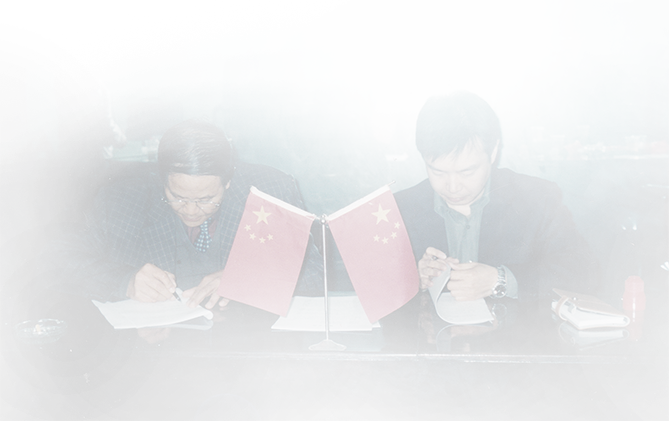
HG の創設者が中国の食品産業の発展に貢献し、国際市場への拡大を開始した 1970 年代の歴史的な署名の瞬間。
過去数十年にわたり、当社は 100+ か国の地元工場から世界的なターンキー プロジェクトに至るまで、自動食品生産 — の進化に参加してきました。
その経験は、今日でもすべての HG 生産ラインを形作り続けています。

グローバル食品機械&
ターンキーファクトリーソリューション

成長と産業価値の共有を通じて長期的なパートナーシップを構築します。
著作権 © HG Industry Group 全著作権所有

この Web サイトのコンテンツを不正に使用すると著作権侵害となり、法的措置が生じる可能性があります。